Review of Legal Protections for Foster Children Who Have Suffered Sexual Abuse in Washington
Access to Counseling and Support Services
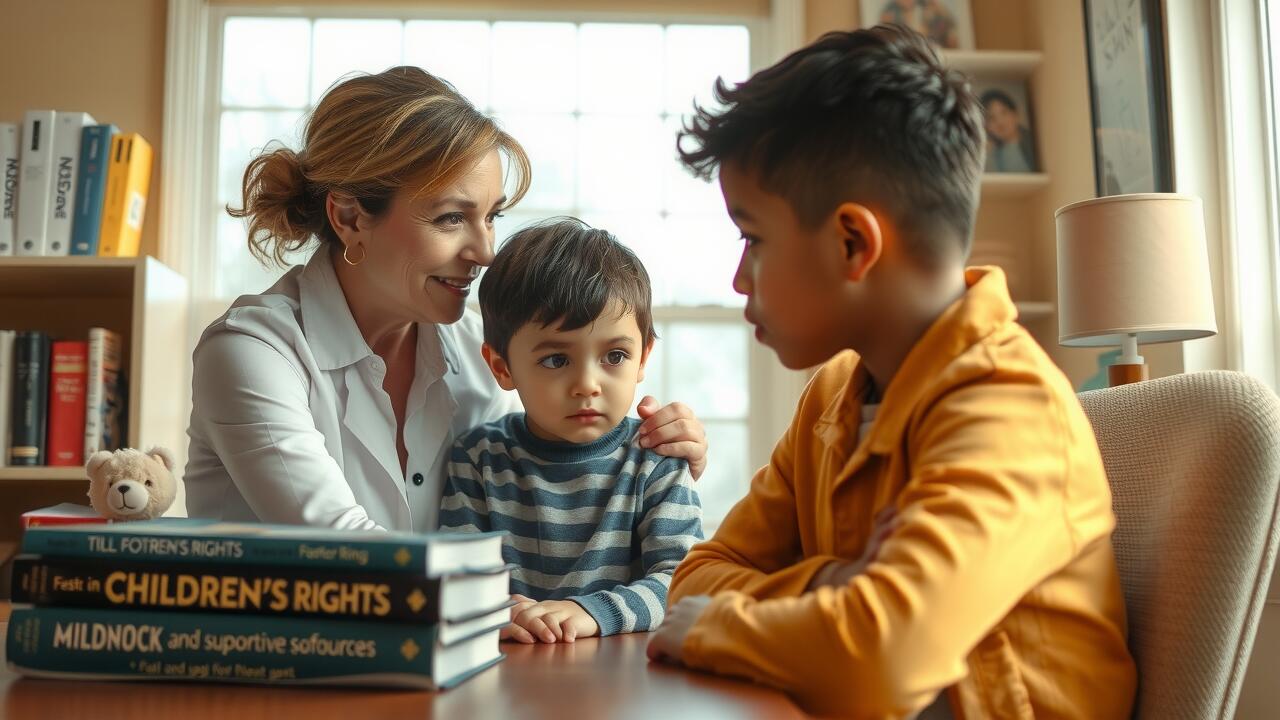
Foster children who have experienced sexual abuse often face significant emotional and psychological challenges. Access to counseling and support services plays a crucial role in their recovery and overall well-being. In Washington, various programs aim to provide these children with necessary mental health resources. Services include therapy sessions, support groups, and specialized programs tailored to address trauma. The importance of professional guidance cannot be overstated, as it helps foster children process their experiences and develop coping strategies.
Many organizations collaborate with state agencies to ensure that foster children receive adequate support. These initiatives often focus on integrating counseling services into the foster care system. This integration aims to minimize barriers that might prevent access to assistance. Furthermore, outreach programs and hotlines are available, providing immediate information and resources for children in need. Continuous efforts are required to raise awareness about these services so that foster children can take advantage of the support that is vital for their healing journey.
Resources Available for Survivors of Abuse
Foster children who have experienced sexual abuse in Washington have access to a range of resources designed to support their recovery. Specialized counseling services, often provided by trauma-informed professionals, are crucial for helping survivors process their experiences. Many organizations also offer emergency shelter, advocacy, and legal assistance, ensuring that these children feel safe and supported. Peer support groups create environments for sharing experiences, fostering connections with others who have faced similar challenges.
Community-based programs play a vital role in delivering resources to foster children. Some initiatives provide educational workshops focusing on self-advocacy and resilience. Various partnerships between non-profit organizations and government agencies facilitate access to healthcare services, mental health resources, and case management. These comprehensive approaches aim to empower survivors and aid in their healing journey, ensuring that essential support is readily available.
Advocacy Groups and Their Influence
Advocacy groups play a pivotal role in shaping policies that protect foster children who have experienced sexual abuse. These organizations work tirelessly to raise awareness about the unique challenges faced by this vulnerable population. Through campaigns and lobbying efforts, they strive to influence legislation that enhances the legal protections for foster children. Their dedication often leads to increased funding for support services, improving the overall well-being of survivors and their families.
In addition to driving legislative change, these groups provide vital resources and support directly to survivors. They offer educational materials, legal assistance, and emotional support tailored to the needs of children in the foster care system. By collaborating with social workers, legal professionals, and mental health experts, advocacy organizations ensure that foster children receive comprehensive care. Their influence extends beyond individual cases, contributing to a broader cultural shift toward recognizing and addressing the rights and needs of foster youth.
Organizations Working for Foster Children’s Rights
Numerous organizations in Washington advocate for the rights and welfare of foster children who have experienced sexual abuse. These groups work tirelessly to ensure that the voices of these vulnerable children are heard. They aim to provide resources, support, and a platform for survivors to share their experiences. By engaging with lawmakers, these organizations strive to influence policies related to foster care and ensure that legal protections are strengthened.
These organizations also play an educational role, raising awareness about the unique challenges faced by foster children. They offer valuable training for foster parents and child welfare professionals, highlighting the need for trauma-informed care. By fostering collaboration among stakeholders, they create a network of support that enhances the holistic well-being of foster children. Through their efforts, they contribute to a culture of accountability and empowerment within the child welfare system.
The Judicial Process for Abuse Cases
In Washington, the judicial process for addressing abuse cases involving foster children is structured to prioritize the well-being of the child. When allegations of sexual abuse arise, the court system takes immediate steps to ensure the child's safety. This often involves temporary placements in secure environments while investigations unfold. Legal representatives, including guardians ad litem, play an essential role in advocating for the child's interests throughout the proceedings.
Investigations typically involve both child protective services and law enforcement, working collaboratively to gather evidence. Courts are tasked with balancing the need for thorough investigation and the urgency of protecting the child. Testimonies, reports, and expert evaluations may be part of the proceedings, ensuring that a well-rounded understanding of the situation is achieved. Public and private resources often assist in navigating the complexities of this process, aiming to provide comprehensive support for the affected children.
Navigating the Legal System in Washington
The legal system in Washington provides specific pathways for foster children who have experienced sexual abuse. It is essential for victims and their advocates to understand the steps involved in pursuing justice. Survivors can report incidents to authorities, including Child Protective Services (CPS) and law enforcement. These agencies play critical roles in investigating allegations and ensuring the safety of the child. Legal action may also involve filing a civil lawsuit against individuals or entities deemed responsible for the abuse.
Navigating these processes requires knowledge of both child welfare laws and rights afforded to foster children. Legal representation can offer vital support, helping families and survivors make informed decisions. Resources such as legal aid organizations and advocacy groups are available to assist at various stages. Familiarity with court procedures, timelines, and potential outcomes can empower foster children and their caretakers in seeking outcomes that ensure their safety and healing.
FAQS
What legal protections exist for foster children in Washington who have experienced sexual abuse?
In Washington, foster children are entitled to various legal protections, including access to counseling and support services, representation in legal proceedings, and advocacy from organizations focused on children's rights.
How can foster children access counseling and support services after experiencing sexual abuse?
Foster children can access counseling and support services through state-funded programs, community-based organizations, and resources provided by child welfare agencies that specialize in trauma-informed care.
What role do advocacy groups play in supporting foster children who have suffered abuse?
Advocacy groups work to raise awareness, provide resources, and influence policy changes to improve the legal protections and support systems available to foster children who have experienced abuse.
Are there specific organizations in Washington dedicated to protecting the rights of foster children?
Yes, several organizations in Washington are dedicated to the rights of foster children, including the Washington State Foster Parent Association, Children’s Advocacy Centers, and various legal aid organizations that focus on child welfare.
What is the judicial process for handling abuse cases involving foster children in Washington?
The judicial process typically involves reporting the abuse, an investigation by child welfare services, potential criminal charges against the perpetrator, and court proceedings to determine the best interests of the child, which may include ongoing support and placement decisions.